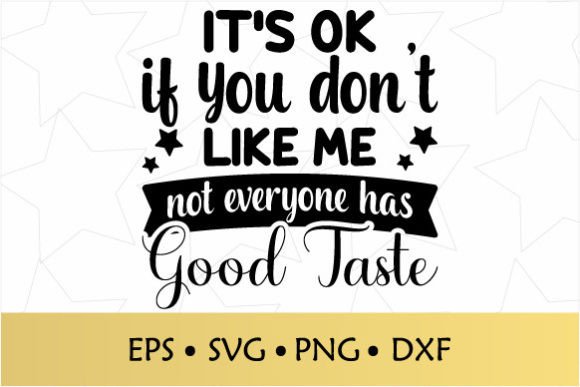
Review: It’s Ok If You Don’t Like Me Design
As a designer who has spent years digitizing patterns and reviewing machine embroidery design files for commercial use, I have developed a keen eye for what translates well from screen to fabric. Typography-driven designs are particularly tricky. They require a balance of legibility, stitch density, and attitude. Recently, I evaluated the It s Ok if You Don t Like Me Not Everyon file, a bold statement piece that falls under the Crafts category. This review breaks down how this Graphics asset performs in real-world applications, offering practical insights for Etsy sellers, craft business owners, and hobbyists looking to elevate their handmade product offerings.
First Impressions: Attitude Meets Aesthetics
The immediate impact of It s Ok if You Don t Like Me Not Everyon is its confident, slightly rebellious tone. In a market saturated with soft, pastoral, and overly sweet motifs, this design offers a refreshing dose of modern sarcasm. Visually, the layout appears clean, relying on strong typographic hierarchy rather than complex illustrative elements. For an embroidery project, this is often a blessing. Complex illustrations can become muddy when stitched, but text-based designs, when digitized correctly, offer crisp lines and high readability.
The mood it creates is one of self-assured independence. It is not aggressive, but it is firm. This makes it an excellent candidate for custom apparel aimed at millennials and Gen Z consumers who value authenticity and humor. When I first opened the file, I looked for potential pitfalls in the letter spacing and curve handling. Since the product description notes that you receive an AI file and can resize the vector, the potential for customization is high. However, the responsibility falls on the user to ensure the final embroidery file conversion maintains integrity at smaller scales.
Real-World Application: The Tote Bag Test
To truly understand the value of a design, you must imagine it on a finished product. I visualized It s Ok if You Don t Like Me Not Everyon on a heavy canvas tote bag design. This is a natural fit. Tote bags provide a large, flat surface area that allows the text to breathe. Using a combination of satin stitch for the borders and a light fill stitch for the body of the letters, the design would stand out prominently against natural cotton or denim.
Consider the customer reaction. A shopper browsing a craft fair or an online boutique is likely to pause at this phrase. It serves as a conversation starter. For a small shop product, this kind of emotional engagement is invaluable. It transforms a simple accessory into a statement piece. I also see strong potential for sweatshirt embroidery. Placed centrally on the chest or across the back, the design works well on fleece or French terry, provided the stitch count is managed to prevent puckering. The contrast between the soft comfort of a sweatshirt and the sharp wit of the text creates a compelling juxtaposition.
Beyond Apparel: Patches and Home Decor
Another viable avenue is the embroidered patch. Patches are versatile design assets that allow customers to customize their own jackets or bags. Because this design is text-heavy, it scales reasonably well for a medium-sized patch. However, one must be cautious with the smaller words. If the patch is too small, the legibility of "Not Everyone Has Good Taste" might suffer. I recommend testing various sizes to find the sweet spot where the stitch density does not overwhelm the fabric backing.
For home decor, think about pillow covers or kitchen towels. While the sentiment is edgy, it fits perfectly in a modern, eclectic living space. A linen pillow cover with this design stitched in contrasting thread colors could serve as a quirky accent. However, for items like tea towels that undergo frequent washing, durability is key. Ensuring proper stabilization is critical to maintain the shape of the letters over time.
Technical Considerations and Fabric Choices
Working with typography in embroidery requires attention to detail. The primary challenge with It s Ok if You Don t Like Me Not Everyon is ensuring clarity in the smaller font sizes. When working with textured fabrics, such as waffle knit or rough linen, the stitches can sink into the weave. In these cases, using a cut-away stabilizer is non-negotiable. It provides the necessary support to keep the letters crisp and prevents the fabric from distorting under the tension of the machine.
Dark fabrics present another consideration. If you are stitching on black or navy, you must choose thread colors that offer high contrast. White, silver, or bright neon threads work best. Conversely, on light fabrics, deep blues, blacks, or rich burgundies will pop. I always advise creating a printable mockup or doing a test stitch-out on scrap fabric before committing to the final finished product. This allows you to check for any thread breaks or nesting issues, particularly in tight corners of letters like 'e' or 'a'.
Curved surfaces, such as caps, require extra caution. The design must be warped or adjusted to account for the curvature of the hat. Without proper adjustment, the text may appear distorted when viewed from the front. For baby embroidery, this design is likely too mature in tone, but the technical lesson remains: always consider the end-use environment. Soft, stretchy fabrics used in baby clothes require lighter stitch densities and softer threads to avoid irritation.
Commercial Viability for Etsy Sellers
For Etsy sellers and digital product creators, this design offers significant commercial potential. The phrase resonates with a specific demographic that values humor and boundary-setting. It fits well within niches such as self-care, mental health awareness, and feminist merchandise. When listing this as a digital embroidery file or a finished item, clear photography is essential. Show the design on different backgrounds to demonstrate versatility.
Brand consistency is also crucial. If your shop focuses on gentle, whimsical designs, this product might feel out of place. However, if your brand voice is bold, modern, and slightly irreverent, It s Ok if You Don t Like Me Not Everyon aligns perfectly. It enhances buyer engagement by reflecting a distinct personality. Customers are not just buying a design; they are buying an identity marker.
Practical Designer Notes
- Test on Scrap: Always run a test stitch on the actual fabric type you plan to use. This reveals issues with tension and density.
- Check Licensing: The product description mentions an AI file. Confirm whether the license allows for commercial use of finished items or if it is for personal use only. This is vital for commercial embroidery projects.
- Contrast is Key: Ensure your thread color contrasts sharply with the fabric. Low contrast reduces readability and impact.
- Stabilizer Selection: Use a stabilizer appropriate for the fabric weight. Heavy fabrics may need less support, while knits require robust stabilization.
- Resize with Care: Since the file is vector-based, you can resize it. However, remember that making it too small may cause stitch merging, while making it too large may increase production time and thread usage significantly.
Final Verdict
The It s Ok if You Don t Like Me Not Everyon design is a strong contender for modern embroidery projects. Its strength lies in its simplicity and emotional resonance. For designers and makers, it offers a straightforward yet impactful addition to their portfolio. By paying attention to technical details like stitch density, stabilizer choice, and fabric texture, you can ensure a high-quality finished product that customers will love. Whether used for a personalized gift, a holiday embroidery project with a twist, or a staple item in your small shop product line, this design delivers both style and substance. Just remember to verify the specific file formats and licensing terms provided in the download to ensure full compliance with your business model.