Reviewing the Recipe for a Happy Marriage Cutting Board Design
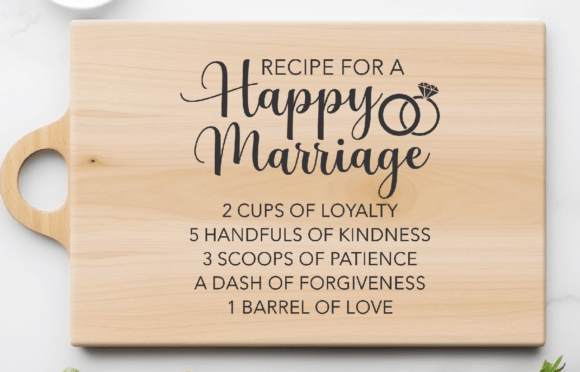
As an embroidery designer who has spent years translating digital concepts into tangible, stitched reality, I approach every new machine embroidery design with a critical eye. It is not enough for a graphic to look cute on a screen; it must hold up under the needle, survive the wash cycle, and resonate with the end customer. Recently, I evaluated the Recipe for a Happy Marriage Cutting Board design, a piece that sits at the intersection of culinary charm and matrimonial sentiment. While the source files are marketed primarily as SVGs for cutting machines within the Crafts and Graphics categories, the visual structure offers fascinating potential for digitizers and embroiderers looking to create unique home decor or personalized gifts.
First Impressions: Mood and Visual Personality
The immediate appeal of this design lies in its whimsical yet grounded aesthetic. The concept of a "recipe" for marriage, presented on a cutting board motif, evokes warmth, domesticity, and a touch of humor. For an embroidery project, this thematic clarity is crucial. When I first examined the layout, I noted the balance between graphical elements—the board shape, utensils, or ingredient icons—and the typography. In embroidery, text is often the weakest link if not handled correctly. The font choice here appears sturdy enough to withstand stitching, provided the digitizer adjusts the stitch density appropriately for smaller sizes.
The mood is celebratory but not overly romanticized, making it versatile. It does not scream "wedding day" so loudly that it becomes obsolete after the honeymoon. Instead, it feels like a staple for a shared kitchen, which expands its lifecycle as a handmade product. This longevity is a key selling point for Etsy sellers and small shop owners who need designs that remain relevant year-round, not just during peak wedding seasons.
Real-World Application: From Digital File to Stitched Product
To truly test the viability of this design, I imagined it applied to several common substrates. The most natural fit is undoubtedly a high-quality linen or cotton tea towel. A tote bag design featuring this motif would also perform well, appealing to couples who enjoy farmers' markets or cooking classes together. However, the real test came when I considered it for sweatshirt embroidery. Placing this graphic on the chest of a crewneck sweatshirt creates a cozy, boutique-style apparel item. The contrast between the soft fabric texture and the structured lines of the cutting board graphic creates a pleasing tactile experience.
I also visualized this as an embroidered patch. Patches are trending heavily in the current craft market. If digitized with a satin stitch border and filled with dense column stitches, this design could become a collectible item for craft business owners. The rectangular or oval nature of a cutting board lends itself well to standard hoop sizes, minimizing waste and maximizing efficiency in production. For holiday embroidery projects, such as Christmas gifts for newlyweds, this design serves as a thoughtful, personalized alternative to generic monograms.
Navigating Technical Challenges in Embroidery
While the concept is strong, the execution requires careful planning. Since the original product description highlights SVG files, it is imperative to note that these are vector graphics intended for cutting, not necessarily pre-digitized embroidery files. If you are converting this graphic into an embroidery file, you must pay close attention to the small details. Tiny text, such as the ingredients or instructions listed in a "recipe," can easily become illegible if the stitch count is too low or the needle size is too large.
When working with thin fabric or stretchy materials like jersey knits for custom apparel, stabilization is non-negotiable. I recommend using a cut-away stabilizer for garments that will be washed frequently, ensuring the design does not pucker over time. For dark fabric, thread color contrast becomes a major consideration. A white or cream thread on a navy blue towel looks classic, but if the design includes fine lines, you may need to use a underlay stitch to prevent the background fabric from showing through the top stitches.
Another critical area is the hoop size. If you attempt to stitch this on a small 4x4 hoop, you may lose the nuance of the cutting board shape. A 5x7 or 6x10 hoop allows for better proportionality, giving the text room to breathe. Always test the design on scrap fabric first. Check the thread colors against your intended material. A mockup in black and white can reveal contrast issues that color might hide. If the design relies on subtle shading, consider simplifying it for embroidery, as thread cannot replicate the gradient effects of a printed graphic.
Commercial Viability and Brand Consistency
For commercial embroidery professionals, the value of a design lies in its ability to enhance brand perception. This particular motif suggests a brand that values tradition, humor, and quality. Using this design on personalized gift items can elevate the perceived value of the product. Customers are not just buying a towel; they are buying a symbol of their partnership. This emotional connection drives buyer engagement and encourages social sharing, which is vital for digital product sellers and creative entrepreneurs.
However, licensing is a paramount concern. The product description states "ATTENTION THIS IS DIGITAL FILES ONLY." This typically implies that you are purchasing the right to use the graphic for personal projects or potentially for creating physical end products, but it rarely grants the right to resell the digital file itself. Before listing finished items on Etsy or at craft fairs, confirm the license terms. Can you sell the embroidered towels? Can you use the design in a printable mockup for your portfolio? Clarifying these rights protects your small shop product line from legal issues.
Final Designer Notes for Best Results
- Test on Scrap Fabric: Never stitch directly on your final garment. Use similar weight and texture scraps to check for puckering or thread breaks.
- Check Stitch Density: Ensure the fill areas are not too dense, which can cause fabric distortion, especially on lighter materials.
- Review Small Details: Zoom in on the text elements. If any letter is narrower than 2mm, consider removing it or enlarging the overall design.
- Contrast is Key: Use high-contrast thread colors for readability. Avoid matching thread too closely to the fabric unless aiming for a subtle, tonal look.
- Stabilizer Selection: Match the stabilizer to the fabric. Use tear-away for stable woven fabrics and cut-away for knits and stretchy materials.
- Verify Licensing: Read the included license file carefully. Understand the difference between personal use and commercial use rights for finished goods.
In conclusion, the Recipe for a Happy Marriage Cutting Board design offers a charming foundation for a variety of embroidery projects. Its strength lies in its relatable theme and versatile layout. By paying attention to technical details like stitch density, stabilizer choice, and fabric compatibility, designers can transform this digital graphic into a high-quality finished product. Whether used for a baby embroidery item, a wedding gift, or a boutique kitchen accessory, this design has the potential to delight customers and strengthen your brand’s reputation for thoughtful, well-crafted goods.