Reviewing Happy New Year Lettering SVG, PNG for Embroidery
As an embroidery designer who spends more time staring at digitized paths than I care to admit, I approach every new digital embroidery file with a mix of optimism and skepticism. We have all been there: you download a cute graphic, load it into your software, and realize the nodes are a mess or the scaling is impossible. That is why I took a close look at the Happy New Year Lettering SVG, PNG to see if it holds up under the needle. This isn’t just about whether it looks good on a screen; it is about how it behaves when stitched onto real fabric for real customers.
First Impressions and Visual Personality
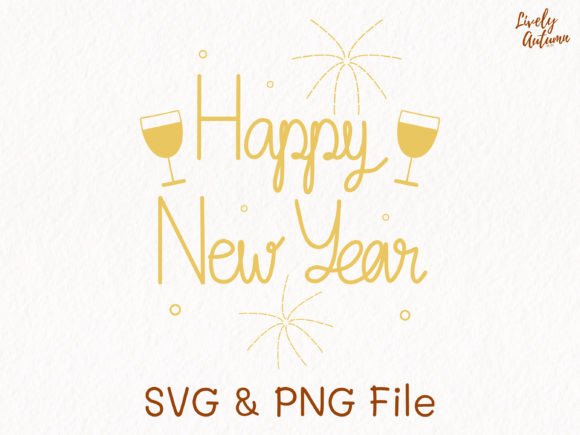
The first thing that strikes me about this design is its celebratory yet clean aesthetic. The lettering carries a mood of fresh starts and optimism, which is exactly what clients want in January. Visually, the layout feels balanced. For those of us working in Crafts and Graphics, we know that typography is tricky. Too ornate, and it becomes a bird’s nest of thread breaks. Too simple, and it lacks character. This design sits in a sweet spot. The curves appear smooth, suggesting that with proper digitizing, it could translate well into satin stitches or a clean running stitch outline, depending on the desired texture.
When I imagine this on a project, I do not see it as a standalone piece for a large wall hanging. Instead, it feels like a perfect accent. It has the visual personality of a design meant for personalized gifts and boutique branding. It is friendly, approachable, and instantly recognizable, which is crucial for holiday embroidery where quick emotional connection drives sales.
Real-World Application: The Custom Tote Bag Test
To truly evaluate a design, you have to picture it in a specific context. I imagined using this Happy New Year Lettering SVG, PNG for a custom embroidered tote bag order. Tote bags are a staple for small shop products and Etsy sellers because they are practical and offer a flat, stable surface for stitching. In this scenario, the design would likely sit centered on the front panel.
For a tote, I would recommend using a fill stitch or a dense satin border if the letters are thick enough, but given that this is provided as an SVG and PNG, the end user must digitize it or use it as a reference for applique. If used as a template for an applique design, the clean edges of the SVG make cutting fabric shapes straightforward. The result would be a chic, modern tote bag design that appeals to customers looking for functional holiday decor. The contrast of bright thread colors against a natural canvas fabric would make the lettering pop, enhancing the visual appeal and perceived value of the handmade product.
Sweatshirts and Custom Apparel
Another strong candidate for this design is custom apparel, specifically sweatshirts. Sweatshirt embroidery requires careful consideration of fabric texture. Fleece and cotton blends can be tricky because the nap of the fabric can swallow small details. Since this design features lettering, clarity is key. If the letters are too thin, they might get lost in the fleece. However, if scaled appropriately for a chest logo or a sleeve detail, it works beautifully. It transforms a basic garment into a festive, limited-edition piece. For apparel decorators, this means higher profit margins and happier customers who love wearing their personalized gift items.
Technical Considerations and Stitching Clarity
Let’s talk about the technical side. Since the product includes an SVG and a PNG, you are likely working with cut files or printables, but many embroiderers use these as bases for manual digitizing or tracing. When converting this into a machine embroidery design, pay close attention to stitch density. High density on a curved surface like a cap can cause puckering. If you are planning cap embroidery, keep the design small and use a lighter weight stabilizer to counteract the stiffness of the hat material.
For textured fabrics, such as linen tea towels or waffle-weave kitchen textiles, the design needs to be robust. A running stitch might disappear, so consider using a slightly thicker satin stitch or adding a backing fill. Always test the design on scrap fabric first. This is non-negotiable. Check how the thread colors interact with the fabric background. Dark fabrics require lighter threads for visibility, while light fabrics can handle vibrant, saturated hues. Testing in black and white mockups can also help you judge the contrast and readability of the lettering before you thread up your machine.
Where to Use Caution
While versatile, this design is not a one-size-fits-all solution. There are specific scenarios where you should proceed with caution. Small hoop sizes are a potential pitfall. If you shrink the design too much to fit a 4x4 hoop, the intricate parts of the lettering may become indistinguishable blobs of thread. Tiny lettering rarely translates well in embroidery unless it is strictly single-line running stitch.
Additionally, be wary of using this on stretchy fabrics without proper stabilization. Knits and jerseys move under the needle, which can distort the shape of the letters. If you are making baby clothes or baby embroidery items, ensure you use a cut-away stabilizer to maintain the integrity of the design after washing. Dense stitch areas on thin fabric can also cause tearing or excessive stiffness, which ruins the drape of the garment. Always inspect small details and confirm that the scale fits the intended hoop size before committing to the final product.
Boosting Brand Consistency and Customer Trust
For craft business owners and Etsy sellers, consistency is everything. Using a cohesive set of designs like this Happy New Year Lettering SVG, PNG helps build brand recognition. When customers see a clean, professional finish on your finished product, it builds trust. It signals that you care about quality, from the digital asset selection to the final stitch. This attention to detail enhances buyer engagement and can lead to repeat customers.
Moreover, this design fits seamlessly into a broader collection of holiday embroidery assets. It can be paired with other seasonal graphics to create themed bundles for printable mockups or digital product previews. By offering high-quality, well-executed designs, you elevate your small shop product line above the noise of generic, mass-produced items.
Practical Designer Notes for Best Results
Before you start stitching, here are my top recommendations for getting the most out of this design:
- Check Licensing: Always confirm licensing terms before selling finished items or digital products. Ensure the license covers commercial embroidery projects if you plan to sell the physical goods.
- Digitize with Care: If you are converting the SVG to an embroidery file, pay attention to underlay stitches. Proper underlay prevents shifting and ensures the top stitches sit cleanly on the fabric.
- Thread Selection: Choose thread colors that complement the mood. Metallic threads can add a festive touch but may be prone to breaking. Test them on low speed first.
- Stabilizer Choice: Match your stabilizer to your fabric. Use tear-away for stable woven fabrics and cut-away for knits or items that will be washed frequently.
- Scale Appropriately: Do not force the design into a hoop that is too small. Maintain the integrity of the letterforms by keeping the size within the recommended limits for your machine.
In conclusion, the Happy New Year Lettering SVG, PNG is a solid addition to your library of design assets. It offers flexibility for various applications, from commercial embroidery runs to one-off personalized gifts. By understanding its strengths and limitations, you can create stunning, professional-quality items that resonate with your customers. Whether you are an experienced designer or a hobbyist, taking the time to evaluate how a design performs in real-life situations is the key to success in the world of handmade crafts.