Review: People Be Scared to Say Stuff SVG for Embroidery
As a designer who has spent countless hours digitizing and testing files for real-world production, I approach every new machine embroidery design with a mix of curiosity and caution. We have all been there: you download a cute graphic, load it onto your machine, and watch in horror as the thread bunches up or the text becomes illegible. That is why I took a close look at the People Be Scared to Say Stuff SVG before committing it to any client work or personal projects. This isn’t just about whether the file opens correctly; it is about how it performs when needle meets fabric.
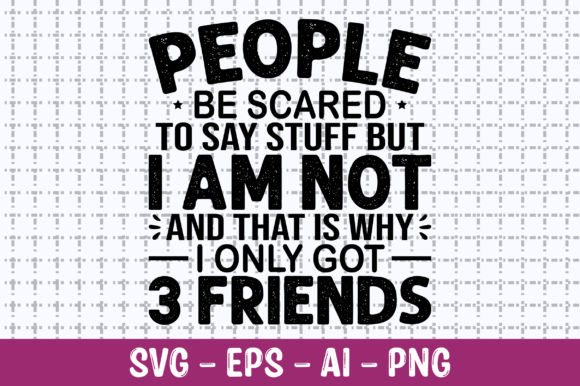
The first impression of this design is its bold, conversational tone. In the world of Crafts and handmade goods, humor sells. It creates an immediate connection with the viewer. Visually, the layout is straightforward, which is often a blessing in disguise for embroidery. Complex illustrations can sometimes lose their charm when translated into stitches, but a strong typographic or simple graphic statement like this tends to hold up well. The mood is playful yet edgy, making it a versatile candidate for various demographics, from teenagers to adults who appreciate dry wit.
Real-World Application: The Custom Tote Test
To truly evaluate an embroidery file, you have to imagine it on a finished product. I visualized this design on a heavy-duty canvas tote bag. This is a popular item for Etsy sellers and small shop owners because it offers a large, flat surface area. The People Be Scared to Say Stuff SVG works exceptionally well here. The horizontal spread of the design balances the width of a standard tote, creating a centered, professional look.
I also considered its application on a unisex sweatshirt. Sweatshirt embroidery requires careful attention to stitch density. If a design is too dense, the fabric puckers; if it is too light, the garment shows through. Given that this file comes in vector formats like AI and EPS, along with SVG and PNG, you have the flexibility to resize it to fit your specific hoop constraints. For a chest-left placement on a hoodie, scaling it down to a 4x4 inch area would maintain clarity without overwhelming the garment. The simplicity of the design suggests it would stitch out cleanly, avoiding the bulk that plagues more intricate applique design projects.
Navigating Fabric and Hoop Constraints
While the design is robust, context matters. Where should you use caution? I would hesitate to place this on a curved surface like a baseball cap unless you are experienced with cap frames. The linear nature of the text or graphic elements might distort if the fabric stretches unevenly during stitching. Similarly, thin or stretchy fabrics like jersey knits require a high-quality stabilizer. Without proper backing, even a well-digitized design can look amateurish due to fabric pull.
Another critical factor is thread colors. Since this is a statement piece, contrast is key. On dark fabrics, you will need bright, high-visibility threads to ensure the message reads clearly from a distance. On light fabrics, you have more freedom, but avoid low-contrast combinations that make the design disappear. I always recommend running a test stitch-out on scrap fabric of the same type you intend to use. This allows you to check for any potential issues with satin stitch coverage or fill stitch alignment before ruining your final garment.
Commercial Viability for Small Businesses
For craft business owners and commercial embroidery professionals, time is money. The fact that you receive an AI, EPS, SVG, and Transparent PNG file means this asset is versatile beyond just embroidery. You can use the PNG for printable mockup previews on your online store, giving customers a realistic idea of the finished product. This multi-format availability adds significant value to your purchase, allowing you to create cohesive branding across different platforms.
When selling personalized gift items or custom apparel, perceived value is driven by presentation. A clean, crisp stitch-out builds customer trust. The People Be Scared to Say Stuff SVG has a modern aesthetic that appeals to current trends in Graphics and decor. It fits seamlessly into categories like holiday gifts, boutique merchandise, or even nursery decor if the tone is adjusted slightly with softer thread choices. However, always verify the licensing terms provided by the creator. While many files allow for commercial use of physical items, selling the digital file itself is usually prohibited. Confirming these details protects your business and ensures ethical practice.
Technical Considerations for Designers
From a technical standpoint, working with vector-based source files (AI and EPS) gives you an advantage. If you are digitizing the design yourself or adjusting an existing digitization, having the vector path allows for precise edits. You can tweak node points to smooth out curves or adjust spacing to optimize for running stitch efficiency. If you are using the SVG directly in embroidery software, ensure your program handles SVG imports cleanly, as some converters may add unnecessary nodes that increase stitch count unnecessarily.
Pay attention to the small details. If the design includes tiny text or intricate corners, check them at 100% zoom. Tiny elements can get lost in the fabric texture or break during washing. If the design feels too delicate, consider increasing the stroke width or simplifying the element before stitching. For items that will undergo frequent washing, such as baby embroidery projects or kitchen towels, durability is paramount. Ensure your stitch density is sufficient to anchor the threads securely, but not so dense that it compromises the fabric's integrity.
Final Verdict on Design Utility
The People Be Scared to Say Stuff SVG is a solid addition to any designer’s library. It strikes a balance between personality and practicality. It is not overly complex, which reduces the risk of stitching errors, yet it is distinctive enough to stand out in a crowded market of generic designs. Whether you are creating an embroidered patch for a jacket, a tote bag design for a local market, or a unique holiday embroidery gift, this file offers the flexibility needed for professional results.
Remember, the best design assets are those that solve a problem or evoke an emotion with minimal friction. This design does both. By taking the time to test your hoop size, select appropriate thread colors, and choose the right stabilizer, you can transform this digital file into a high-quality handmade product that resonates with buyers. Always keep your end-user in mind: will they wear it? Will they gift it? If the answer is yes, you have chosen wisely.
Before you begin your next embroidery project, download the files, inspect the vectors, and run a quick test. The difference between a good product and a great one often lies in these preparatory steps. With the right approach, this design can become a staple in your small shop product lineup, driving engagement and sales through its relatable and stylish appeal.