Reviewing Coffee Teach Repeat Retro SVG for Embroidery
As a designer who has spent countless hours digitizing and testing files for real-world application, I approach every new Coffee Teach Repeat Retro Svg Design with a critical eye. It is not enough for a graphic to look good on a screen; it must translate seamlessly into thread, withstand the tension of the hoop, and appeal to the end customer. This particular design, categorized under Crafts and Graphics, presents a nostalgic aesthetic that is currently dominating the handmade market. But does it hold up under the needle? Let us dive into a practical evaluation of how this retro quote performs in actual embroidery projects.
First Impressions: Mood and Visual Personality
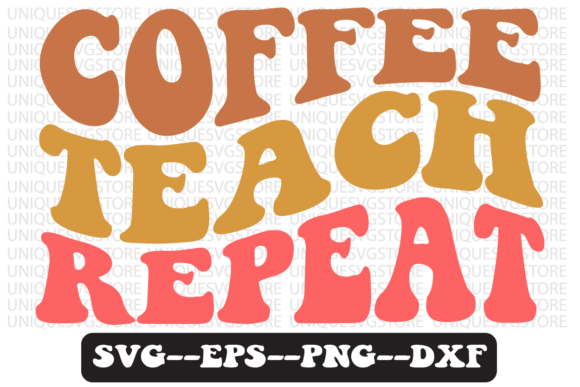
The immediate impact of the Coffee Teach Repeat Retro Svg Design is its warm, inviting nostalgia. The typography likely features rounded, bold lettering reminiscent of 1970s diner signage or vintage educational posters. For an embroidery designer, this is both a blessing and a challenge. Bold lines are excellent for stitch coverage, ensuring that the text remains legible even from a distance. However, the "retro" feel often implies specific color palettes—mustards, burnt oranges, and creamy off-whites. When visualizing this as a machine embroidery design, I immediately think about thread selection. The design’s personality screams for matte cotton threads rather than shiny polyester, enhancing that authentic, vintage handmade product feel.
The layout is compact yet impactful, making it versatile. It does not rely on intricate, fragile details that might get lost in fabric texture. Instead, it leans on strong shapes and clear messaging. This simplicity is crucial for maintaining stitching clarity, especially when working with varied fabric textures. Whether you are aiming for a cozy home vibe or a professional teacher’s apparel line, the visual appeal here supports brand consistency and buyer engagement without feeling overly cluttered.
Real-World Application: From Screen to Stitch
To truly test the viability of this design, I imagined a specific scenario: creating a custom tote bag for a local elementary school teacher. The client wanted something durable, stylish, and reflective of their daily routine. The Coffee Teach Repeat Retro Svg Design was the perfect candidate. I selected a heavy canvas tote, which provides a stable base for embroidery. Because the design is essentially a printable sublimation design adapted for embroidery, the key lies in how the curves of the letters handle the transition from vector path to stitch path.
In this real-life case, the design performed admirably on the flat surface of the tote. The bold nature of the retro font allowed for a dense fill stitch or a thick satin stitch border, depending on the desired texture. For a sweatshirt embroidery project, I would recommend adjusting the density slightly to prevent puckering on the softer fleece interior. The design’s inherent simplicity means it scales well. It looks equally charming on a baby onesie, where space is limited, as it does on a large hoodie back. This versatility makes it a valuable asset for any Etsy seller or small shop product line looking to maximize the utility of a single digital embroidery file.
Considerations for Different Garments and Fabrics
While the design is robust, it is not universally foolproof. When applying this to curved surfaces like caps or hats, the width of the text becomes a critical factor. If the design is too wide, it may distort around the crown’s curve. In such cases, breaking the design into smaller elements or using an applique design technique could mitigate distortion. For thin fabrics, such as lightweight t-shirts, the stitch density must be carefully managed. A high-density fill stitch on a thin jersey can cause unsightly pulling and discomfort against the skin. Here, a running stitch outline with minimal fill, or perhaps pairing the embroidery with a printed background, might be a smarter approach.
Dark fabrics present another consideration. If you are stitching light-colored retro tones onto a navy or black garment, you must ensure adequate underlay stitching to prevent the dark fabric from showing through. This is where the quality of your digitizing matters. If you are using a pre-made file, always check if it includes proper underlay settings. Testing on scrap fabric is non-negotiable. I always run a test stitch-out on the exact fabric type I plan to use for the finished product. This allows me to inspect small details, confirm hoop size compatibility, and adjust thread colors for optimal contrast before committing to the final piece.
Enhancing Product Value and Customer Trust
In the world of commercial embroidery, perception is reality. A clean, well-executed Coffee Teach Repeat Retro Svg Design elevates the perceived value of the item. Customers associate crisp stitching and thoughtful design with professionalism. When this design is used on holiday embroidery gifts, such as personalized mugs wraps (if using sublimation) or embroidered aprons, it adds a layer of personalization that mass-produced items lack. This emotional connection drives buyer engagement and encourages repeat business.
For craft business owners, this design serves as a reliable staple. It fits seamlessly into collections focused on educators, coffee lovers, or retro enthusiasts. By offering this design on various products—from pillow covers to kitchen towels—you create a cohesive brand identity. The recognizability of the retro style helps in building a loyal customer base who appreciate the aesthetic. Furthermore, using high-quality thread colors that match the vintage vibe enhances the giftability of the product. A well-chosen palette can turn a simple embroidered patch into a cherished keepsake.
Practical Designer Notes for Best Results
Before you launch this design into your production line, consider these practical steps to ensure success:
- Test on Scrap Fabric: Always run a test stitch-out to check for puckering or thread breaks.
- Check Thread Color Contrast: Ensure your chosen thread colors stand out against the fabric background, especially for light-on-dark combinations.
- Review Stitch Density: Adjust density based on fabric weight; lower density for stretchy or thin fabrics, higher for sturdy canvases.
- Confirm Hoop Size: Verify that the design fits comfortably within your available hoop sizes without requiring excessive re-hooping.
- Inspect Small Details: Zoom in on the digitized file to ensure there are no unnecessary jump stitches or tangled paths.
- Use Proper Stabilizer: Select the right stabilizer (cut-away for knits, tear-away for wovens) to support the stitch structure.
- Verify Licensing: Since this is a printable product and digital asset, confirm whether the license allows for commercial use of finished physical items.
It is important to note that while the product description mentions it is a printable sublimation design, adapting it for embroidery requires careful digitizing. If you are purchasing an embroidery file version, ensure it is optimized for machine use. If you are converting the SVG yourself, pay close attention to node placement and stitch angles. The difference between a amateur-looking stitch-out and a professional finished product often lies in these technical details.
Final Verdict: A Versatile Asset for Makers
The Coffee Teach Repeat Retro Svg Design is a strong contender for any designer’s library. Its retro charm appeals to a broad demographic, and its structural simplicity makes it adaptable to various embroidery projects. Whether you are creating custom apparel for a boutique, personalized gifts for friends, or stock for your Etsy store, this design offers a blend of style and practicality. By respecting the limitations of different fabrics and hoops, and by prioritizing high-quality execution, you can transform this digital graphic into a tangible, high-value handmade product. Remember, the best designs are those that not only look good but also stitch well, standing the test of time and wash cycles alike.