Reviewing Hello December Png Sublimation Design for Embroidery
As a designer who spends more time staring at digitized stitch paths than I do sleeping, I approach every new Graphics asset with a healthy dose of skepticism. We are constantly bombarded with digital files promising ease and aesthetic perfection, but the reality of translating a screen image into thread on fabric is often where the magic—or the mistake—happens. Recently, I evaluated the Hello December Png Sublimation Design to determine its viability not just as a printable sublimation asset, but as a reference for embroidery projects. While the product description explicitly markets it as a winter quote retro SVG and printable PNG for sublimation on T-shirts, onesies, and hoodies, my interest lies in how this visual concept translates to the tactile world of needle and thread.
First Impressions: Retro Charm Meets Winter Practicality
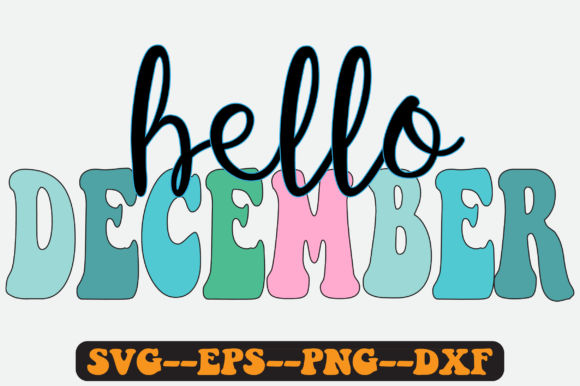
The immediate appeal of the Hello December Png Sublimation Design is its nostalgic, retro typography. In the context of Crafts, retro styles are perennial favorites because they evoke warmth and familiarity. The design features bold, rounded lettering that suggests a mid-century modern influence, perfectly suited for the cozy aesthetics of the holiday season. Visually, it creates a mood of cheerful anticipation. For an embroidery designer, this is a promising starting point. Bold lines generally translate well to stitching, provided the digitizer respects the integrity of the original shapes. The layout is balanced, avoiding overly intricate details that might get lost in the texture of fabric, which is crucial for maintaining clarity in a finished product.
Real-World Application: From Screen to Sweatshirt
To test the practical value of this design, I imagined a specific client scenario: a small boutique owner preparing a limited run of custom apparel for the holiday rush. She wanted a statement piece that was festive but not overtly religious or cluttered with snowflakes and reindeer. The Hello December Png Sublimation Design fits this brief perfectly. I visualized it embroidered on a heavyweight, heather-grey crewneck sweatshirt. The retro font would pop against the neutral background, especially if stitched in a deep forest green or a classic navy blue.
In this real-life application, the design serves as a focal point. Unlike complex pictorial embroidery files that require thousands of stitches and long run times, a text-based design like this is efficient. It allows for quicker production, which is vital for Etsy sellers and small shop products during the peak December demand. The simplicity of the quote means it can be scaled up for a back print on a hoodie or scaled down for a left-chest logo on a flannel shirt without losing its legibility. This versatility makes it a valuable asset for anyone creating custom apparel or personalized gifts.
Navigating Technical Challenges in Embroidery
However, transitioning from a printable mockup to a stitched reality requires careful technical consideration. Since the source file is described as a PNG and SVG intended for sublimation, it is not inherently an embroidery file. This distinction is critical. You cannot simply load a PNG into your embroidery machine. You must either manually digitize the design based on the visual reference or use auto-digitizing software with extreme caution. Auto-digitizing often fails to capture the nuance of retro typography, resulting in jagged edges or excessive stitch density.
If you are digitizing this yourself, pay close attention to the corners of the letters. Retro fonts often have soft, rounded terminals. Using a satin stitch for these elements can create a smooth, professional look, but you must ensure the column width is consistent. If the letters are too wide, a satin stitch may become unstable; in such cases, a fill stitch with a slight texture might be more appropriate, though it changes the visual weight of the design. For smaller applications, such as on a baby embroidery project like a onesie, you might need to simplify the design further to prevent puckering on delicate fabrics.
Fabric choice plays a massive role here. The design’s bold nature works best on stable, medium-to-heavyweight fabrics like cotton twill, denim, or fleece. Using it on thin, stretchy materials without proper stabilization is a recipe for disaster. Always use a cut-away stabilizer for garments that will be washed frequently, such as tote bag designs or daily-wear sweatshirt embroidery. For textured fabrics like terry cloth towels, you may need a topping to prevent the stitches from sinking into the pile, ensuring the thread colors remain vibrant and the text remains readable.
Commercial Viability and Brand Consistency
For commercial embroidery professionals, the aesthetic consistency of your design assets builds brand trust. The Hello December Png Sublimation Design offers a clean, modern-retro look that appeals to a broad demographic. It is not overly childish, making it suitable for adult holiday embroidery projects, nor is it too severe for family-matching outfits. This broad appeal increases its potential for sales on platforms like Etsy, where buyers often search for unique, non-generic holiday designs.
When using this design for handmade products, consider the perceived value. A well-executed embroidery job elevates a simple garment into a keepsake. The clarity of the lettering in this design, when properly stitched, conveys professionalism. Customers associate clean stitching with high-quality craftsmanship. Therefore, taking the time to test stitch on scrap fabric is non-negotiable. Check your tension, verify your hoop size accommodates the full width of the phrase without distortion, and ensure there are no thread breaks in tight curves.
Practical Notes for the Modern Maker
Before committing to a large batch of finished products, here are my top recommendations for working with this type of graphic:
- Verify Licensing: Since this is sold as a printable sublimation design, confirm with the creator whether commercial use for embroidered items is permitted. Intellectual property rights can vary between digital print files and physical goods.
- Digitize with Care: Do not assume a direct conversion will work. Manual editing of stitch angles and underlay is essential for crisp lettering.
- Test Contrast: View your design in black and white to ensure the contrast between the text and the background fabric is sufficient. Low contrast can make the text disappear from a distance.
- Consider Applique: For larger sizes, consider an applique design approach where the letters are cut from felt or fabric and then stitched down. This reduces stitch count and adds a lovely textured dimension to the embroidery project.
- Mockup Realistically: When creating printable mockups for your online store, show the design on actual fabric textures rather than flat digital backgrounds. This helps customers visualize the tactile quality of the embroidered patch or garment.
In conclusion, while the Hello December Png Sublimation Design is marketed for printing, its visual structure holds significant potential for embroidery when handled with technical expertise. It offers a stylish, retro-inspired option for craft business owners looking to expand their holiday collections. By respecting the limitations of the medium and prioritizing precise digitization and stabilization, you can transform this digital graphic into a high-value, tangible product that resonates with customers seeking warmth and style in their winter wardrobe.