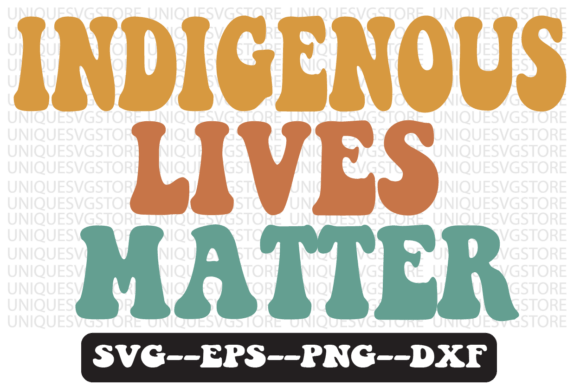
Reviewing Indigenous Lives Matter Retro SVG for Embroidery
As a designer who spends half my life digitizing and the other half stitching, I approach every new machine embroidery design with a mix of curiosity and caution. We have all been there: downloading a file that looks stunning on a screen but turns into a puckered mess on fabric. Today, I am taking a close look at the Indigenous Lives Matter Retro Svg Design. While this asset is marketed primarily as a printable sublimation graphic for Crafts and Graphics categories, its bold, retro aesthetic raises an interesting question for us stitchers: can this visual style translate effectively into thread?
The first impression of this design is striking. It carries a heavy cultural weight paired with a nostalgic, vintage typography style. The "retro" element suggests curved lettering, distressed textures, or classic color palettes that evoke the 70s or 80s. For an embroidery project, this means we are dealing with potential density issues. Retro fonts often feature thick strokes, which are great for visibility but can become stiff if not managed correctly in the digitizing process. If you are planning to use this for a custom apparel piece, understanding how these shapes behave under the needle is crucial.
Visual Impact and Project Suitability
Let’s talk about where this design naturally belongs. The message is powerful, and the retro styling softens the delivery, making it approachable yet firm. I envision this working beautifully on a heavyweight cotton tote bag. A tote bag design needs to be legible from a distance, and the bold lines of this SVG format suggest it would hold up well when converted into a fill stitch pattern. Imagine a natural canvas bag with earth-toned threads—rust, ochre, and deep green—bringing the retro vibe to life. It becomes more than just a bag; it becomes a statement piece for a craft fair or a boutique shop product.
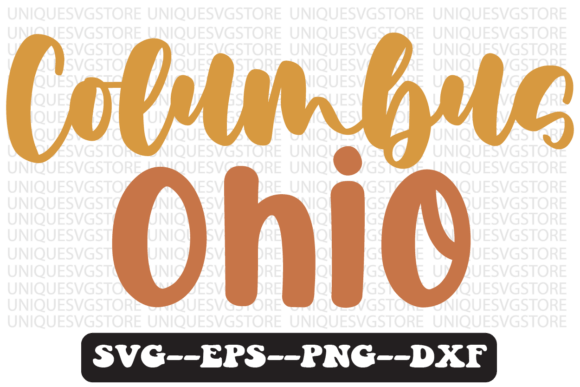
Another strong candidate is sweatshirt embroidery. Hoodies and crewnecks provide the stable, thick fabric base needed to support larger designs. The retro aesthetic pairs perfectly with the casual comfort of a sweatshirt. However, because this is originally a Columbus quote retro Svg Design intended for sublimation, we must consider the transition from print to stitch. Sublimation relies on color gradients and distress effects that embroidery cannot replicate exactly. Instead of trying to mimic every pixel of distress, a skilled digitizer would simplify the shape, using satin stitches for outlines and lighter fill densities for the interior to maintain that vintage feel without creating a cardboard-like patch on the chest.
Navigating Fabric and Hoop Constraints
One of the biggest challenges with retro-style graphics is their width. These designs often span horizontally to accommodate long phrases. Before you load your embroidery file, check your hoop size. If you are working with a standard 5x7 hoop, you might need to scale the design down, which could compromise the legibility of smaller details. For a design like Indigenous Lives Matter Retro Svg Design, I recommend a 6x10 or larger hoop if available, allowing the text to breathe. Crowding the letters leads to thread breaks and poor registration.
Fabric choice is equally critical. This design would struggle on thin, stretchy fabrics like lightweight rayon or jersey knits unless you use a very robust stabilizer. The weight of the thread could cause the fabric to pucker, distorting the retro curves. I advise using a cut-away stabilizer for any garment that will be washed frequently. For structured items like caps or hats, the curved surface adds another layer of complexity. The center of the cap is the only safe zone, and even then, the height of the letters must be limited. If the design includes tall ascenders or descenders, they might hit the brim or the top seam. In such cases, simplifying the design to an applique design format could save the day, replacing dense stitching with fabric patches that reduce bulk.
Stitching Strategy and Technical Notes
When converting this SVG concept into a stitched reality, pay attention to stitch density. Retro fonts often have solid, blocky appearances. If you use a high-density fill stitch throughout, the result will be stiff and heavy. Instead, consider using a combination of techniques. Use satin stitches for the borders of the letters to create crisp edges, and a lighter tatami fill for the interiors. This reduces thread usage and keeps the finished product flexible. Also, consider the thread colors. The retro theme invites muted, vintage hues. Avoid neon or overly bright threads unless they are specific accent colors. Earth tones and pastels will enhance the nostalgic mood and appeal to buyers looking for subtle, meaningful decor.
Testing is non-negotiable. Always stitch out a test sample on scrap fabric similar to your final material. Check for thread breaks, especially in tight corners of the lettering. If the design includes small details or tiny connecting lines between letters, these may need to be removed or thickened in the digitizing software. Embroidery machines cannot handle the same level of fine detail as a printer. What looks sharp in a printable mockup might become a tangled knot of thread if the details are too small. Simplify, simplify, simplify.
Commercial Viability and Ethical Considerations
For Etsy sellers and small business owners, this design offers a unique niche. It appeals to customers interested in social justice, history, and indigenous rights. However, selling products with this message requires sensitivity and respect. Ensure that your marketing aligns with the values of the message. Authenticity matters. Buyers of handmade products can sense when a design is used merely for trend-chasing versus genuine support. Use this design to create meaningful personalized gifts or educational tools, rather than just another commodity.
From a licensing perspective, since this is sold as a digital product for crafts, you must verify the commercial use rights. Does the license allow you to sell physical items made with this design? Can you use it in digital prints? Never assume. Read the terms provided by the creator. If the license is unclear, contact the seller. Protecting your craft business from legal issues is just as important as perfecting your stitch quality. Additionally, confirm if the file comes in formats compatible with your machine, such as PES, DST, or JEF. If it is only an SVG, you will need digitizing software to convert it, which adds a step to your workflow.
Final Thoughts on Execution
The Indigenous Lives Matter Retro Svg Design is a compelling visual asset that bridges graphic design and textile art. Its success in embroidery depends entirely on execution. It is not a plug-and-play solution for every fabric or hoop. It demands thoughtful digitizing, careful material selection, and respectful presentation. When done right, it elevates a simple garment into a conversation starter. Whether you are creating a holiday gift, a boutique inventory item, or a personal statement piece, take the time to plan your stitches. Test your tension, choose your threads wisely, and honor the message with quality craftsmanship. In the world of handmade goods, precision and intent are what turn a good design into a great product.