Review: I Turned My Back for a Second SVG for Embroidery
As an experienced designer who spends half my life staring at digitized paths and the other half pulling bobbins, I have learned that not every cute graphic translates well to thread. We see thousands of digital embroidery file options flooding the market, but few stand up to the scrutiny of actual stitching. Recently, I downloaded I Turned My Back for a Second SVG to test its viability for a client’s boutique line. The premise is humorous—a relatable nod to the chaos of parenting or pet ownership—but the execution requires a careful eye before you commit it to fabric.
First Impressions and Visual Personality
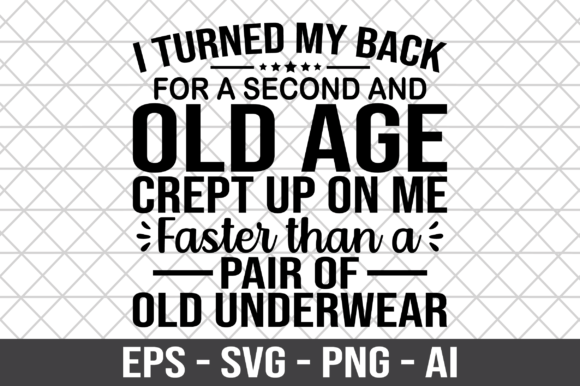
The first thing that strikes you about I Turned My Back for a Second SVG is its narrative clarity. It does not rely on complex shading or intricate gradients, which is a blessing for embroidery. Instead, it leans on strong silhouettes and clear typography. The mood is lighthearted and witty, making it an instant candidate for personalized gift items. When I opened the vector files, I was pleased to see clean anchor points. For those of us who convert vectors into machine code, clean lines mean fewer jumps and smoother satin runs.
This design fits squarely into the Crafts and Graphics intersection where humor meets utility. It is not just a picture; it is a conversation starter. In a retail setting, this kind of visual personality drives engagement. Customers do not just buy the item; they buy the joke. However, the simplicity of the design can be a double-edged sword. Without proper digitizing, simple shapes can look flat or amateurish. The challenge here is maintaining the crispness of the text while ensuring the accompanying graphic elements have enough weight to hold their shape against the fabric.
Real-World Application: The Sweatshirt Test
To truly evaluate I Turned My Back for a Second SVG, I moved beyond the screen and into the studio. My test case was a mid-weight cotton fleece sweatshirt, a staple for any craft business. I chose this garment because it represents a common request for Etsy seller communities: comfortable, casual, and highly giftable.
I placed the design on the left chest area, a standard location for custom apparel. The result was promising. The text remained legible, and the graphic element did not distort. However, I noticed that on the textured surface of the fleece, the finer details of the vector required a higher stitch density than I initially anticipated. If you are planning to use this as a tote bag design or on a smooth canvas, the default settings might suffice. But on looped fabrics like fleece or terry cloth, you must account for sinkage. I adjusted my underlay to ensure the top stitches sat proudly above the pile, preserving the integrity of the message.
This scenario highlights why having the original AI, EPS, and SVG files is crucial. Being able to resize the vector without pixelation allows you to adapt the design for different hoop size constraints. Whether you are working with a 4x4 hoop for a cap or a 5x7 for a pillow cover, the scalability ensures the proportions remain consistent.
Fabric Considerations and Technical Challenges
While the design performed well on fleece, I would urge caution when applying I Turned My Back for a Second SVG to stretchy or thin materials. For baby embroidery projects, such as onesies or burp cloths, the fabric is delicate. A heavy fill stitch or dense satin stitch can cause puckering if not properly stabilized. I recommend using a cut-away stabilizer for garments that will undergo frequent washing, as this provides long-term support for the stitches.
Another critical factor is contrast. This design relies on readability. If you are stitching white thread on a light gray heather shirt, the joke gets lost. Always test your thread colors against the fabric background. I found that high-contrast combinations, such as navy on cream or black on white, yielded the sharpest results. For dark fabrics, consider using a lighter thread color or adding a subtle backing patch if the design allows, though this specific layout works best as a direct stitch.
Curved surfaces present another hurdle. If you are attempting this on a cap, the distortion from the curve can warp the text. I advise breaking the design into smaller sections or using a specialized cap frame to keep the fabric taut. The running stitch outlines in the vector may need to be converted to slightly wider satin columns to prevent them from disappearing into the seam allowances of structured hats.
Commercial Viability and Brand Consistency
For small shop product lines, consistency is key. I Turned My Back for a Second SVG offers a versatile asset that can be part of a larger collection. Imagine pairing it with other humorous parenting or pet-themed designs to create a cohesive brand identity. The clean lines make it easy to integrate into printable mockup previews for your online store, helping customers visualize the finished product before purchase.
From a commercial standpoint, this design adds value because it is relatable. It transforms a basic item into a holiday gift or a thoughtful present for new parents. However, always verify the licensing terms included with your download. While the file format suggests flexibility for commercial embroidery, ensuring you have the right to sell finished items is a non-negotiable step for professional design assets usage.
Practical Designer Notes for Best Results
Before you run this design on your customer’s expensive garment, follow these practical steps to ensure quality:
- Test on Scrap Fabric: Never skip the test stitch. Use the same fabric and stabilizer combination you plan to use for the final product.
- Check Stitch Density: If the design feels too stiff after stitching, reduce the density slightly. If it looks sparse, increase it or add more underlay.
- Inspect Small Details: Zoom in on the vector file. Are there any tiny nodes that might cause needle breaks? Clean up the path if necessary.
- Contrast Check: View your design in black and white. If the elements blend together, adjust your thread palette for better separation.
- Stabilizer Selection: Match your stabilizer to the fabric weight. Lightweight fabrics need lightweight stabilizers to avoid stiffness.
In conclusion, I Turned My Back for a Second SVG is a solid addition to your library of embroidery project resources. It balances humor with clean design, making it suitable for a wide range of applications from embroidered patch creations to full-front sweatshirt embroidery. By paying attention to fabric texture, stitch density, and placement, you can elevate this simple graphic into a high-quality, professional product that resonates with buyers. It is a reminder that even in the digital age, the tactile reality of thread and fabric demands our respect and expertise.